Audiovisual systems: Definition, Usage, Benefits for Companies
Quick Summary
In 2026, audiovisual (AV) systems have evolved from standalone hardware setups into intelligent, network-connected environments. Modern AV systems increasingly rely on AV-over-IP infrastructure, centralized management platforms, and AI-assisted automation to improve collaboration, communication, and operational efficiency.
Organizations now use professional AV technologies to support hybrid meetings, digital signage, control rooms, classrooms, and large-scale visualization environments while maintaining high image quality, low latency, and simplified system management.
Audio-visual systems play an important role in almost every facet of our lives, but, how much do you actually know about them? Did you know they can enhance your business? If you’re scratching your head at any of those questions, you’ve come to the right place.
At DEXON, we know how important it is that you have all the information before you invest in any AV services. That’s why we’ve compiled this comprehensive guide to all things AV systems so you can make an informed decision on the types of equipment you invest in.
In this article, we discuss what AV systems are, why we need to use AV systems, what they do and how AV systems can benefit your company.
Let’s go!
What is an audio-visual system?
Before we get started, let’s iron out the basics. An audio-visual system works in sync to produce or emit sound through speakers while displaying content on screens like video walls.
AV systems are truly all around us, helping to entertain, inform and enlighten us every day! The most common types of AV systems include motion pictures, live radio, and television programs, recordings, and presentations.
Modern AV systems are no longer limited to isolated hardware components working independently. Today’s audiovisual environments operate as connected ecosystems that combine displays, audio technologies, control systems, and network infrastructure into unified platforms.
Cloud-based monitoring, centralized device management, and AI-assisted optimization are increasingly used to improve audio clarity, camera framing, room automation, and overall meeting experience.

Where do we need to use audio-visual systems?
Now that we’ve got the definitions out of the way, let’s move on to the nitty-gritty. Where we use AV systems is entirely dependent on your needs, but there are a select few places that can truly benefit from using audio-visual systems. Let’s go through a few:
Classrooms
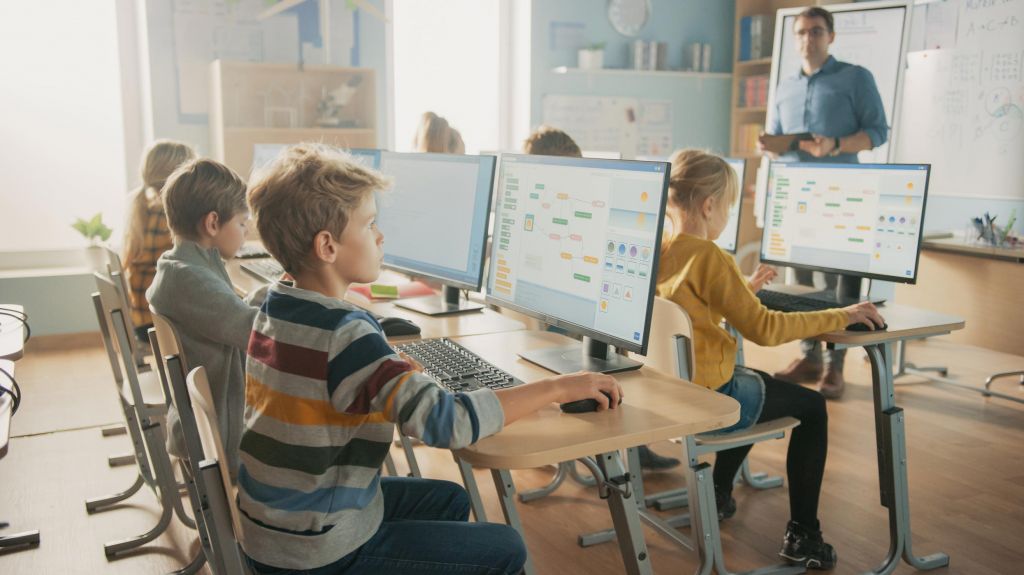
We all know that sitting down and opening a book just doesn’t work for some people, and as our education systems evolve, the ways we teach need to follow suit. Well, this is where AV systems come in handy. With an audio-visual solution, classrooms can transform the way they approach learning and turn studies into an interactive experience.
An AV system allows teachers to incorporate more visual and auditory learning techniques, catering to a wider variety of learners. Therefore, AV systems make the classroom more accessible and fun for students!
Modern educational environments increasingly use interactive displays, lecture capture systems, and hybrid learning technologies to support both in-person and remote students. Immersive AV solutions help create more engaging and flexible learning experiences across schools, universities, and training centers.
Conference rooms
As businesses begin to see the benefit of a more hybrid approach to work on employee mental health and work-life balance, organizations need more technology in their workspace to help facilitate our new world. This couldn’t be more necessary than in the case of conference rooms.
With AV technology, we can now incorporate virtual participants into our meetings and conferences, allowing us to talk to each other from different time zones and countries across the world. This allows a business to reach a much wider audience and increase its scope of activity. Gone are the days of traveling long distances for conferences!
In 2026, conference room technologies focus heavily on hybrid collaboration and meeting equity. Intelligent cameras, beamforming microphones, and AI-assisted speaker tracking help ensure that remote participants experience meetings with the same clarity and visibility as people physically present in the room.

Trade shows
Trade shows are a great way of building engagement around your business by connecting you with like-minded entrepreneurs. As with all trade shows, participants are constantly on the hunt to find ways of making their business look and sound more exciting and lucrative.
A great way of doing this is to incorporate more AV technology to help you show interested parties what you do. You can create an engaging display to accompany your presentation, allowing you to reach wider audiences and showcase yourself and your business as serious and professional.
Trade show environments increasingly use LED video walls, interactive presentation systems, and immersive digital experiences to improve visitor engagement. Many exhibitors now integrate real-time content management and interactive technologies to create more dynamic brand presentations.
_resized.jpg)
What does an audio-visual system do?
AV systems are so dynamic that it's hard to pinpoint their exact uses. However, there are some great ways that AV systems make life a lot easier. Let’s go through some of them:
1. Turn lights on and off
In traditional productions, there would have needed to be a person responsible for lighting, sound, and visuals. With integrated AV systems, you can amalgamate your operations into one, allowing you to control lighting from a single interface.
2. Turn devices on and off
With the help of AV systems, you don’t need a remote control for each display and microphone you have in a presentation. AV systems can control your devices, allowing you to switch them on and off with ease.
3. Provide one interface to control devices
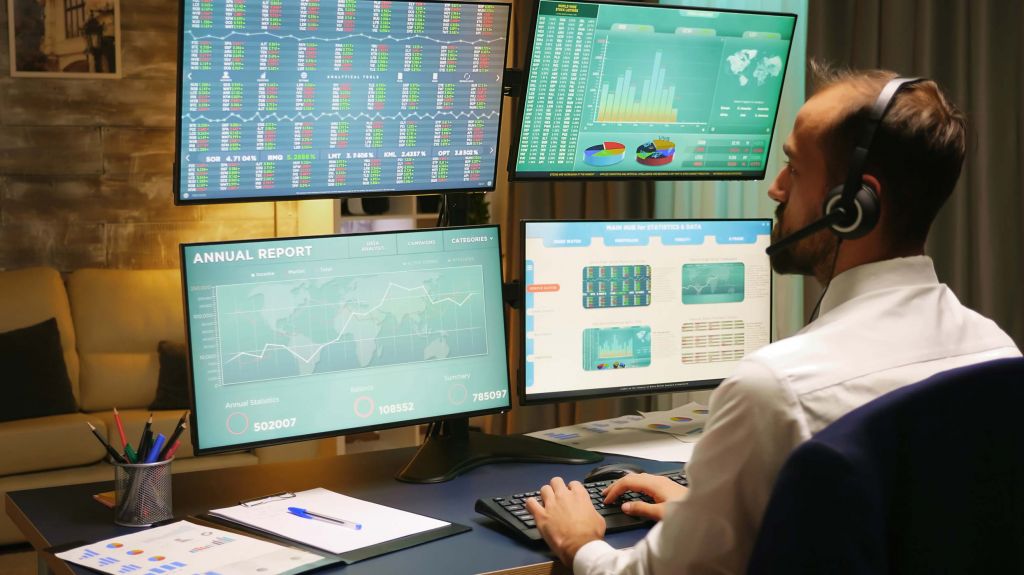
Life is much easier when you can control your entertainment and display systems from a single point, and that’s exactly what an interface is. AV systems allow users to control visual and auditory devices from a single point, meaning there’s no need for multiple lighting and sound engineers, streamlining overall operations and reducing errors.
How can your company benefit from audio-visual systems?
If you’re not totally sold on the idea of audio-visual systems yet, don’t worry. We’ve compiled this simple guide to all the things that AV systems can offer you in your quest to become more tech-savvy. Here are three ways AV systems can help your business:
Help you reach wider audiences
As we previously mentioned, AV systems give you the chance to meet the demands of a much wider audience. You can transform your presentations into a high production value experience with the help of comprehensive AV systems, allowing you to incorporate virtual and in-person attendees.
This can help you draw in more investors, clients, and customers, supercharging your development bid and allowing you to reach your key business targets!
Higher engagement
Businesses are in a constant battle to achieve better engagement in their daily operations to help boost company morale and instill excitement in employees. While this is obviously important, it’s not always easy to do. However, that can all change with the help of AV systems.
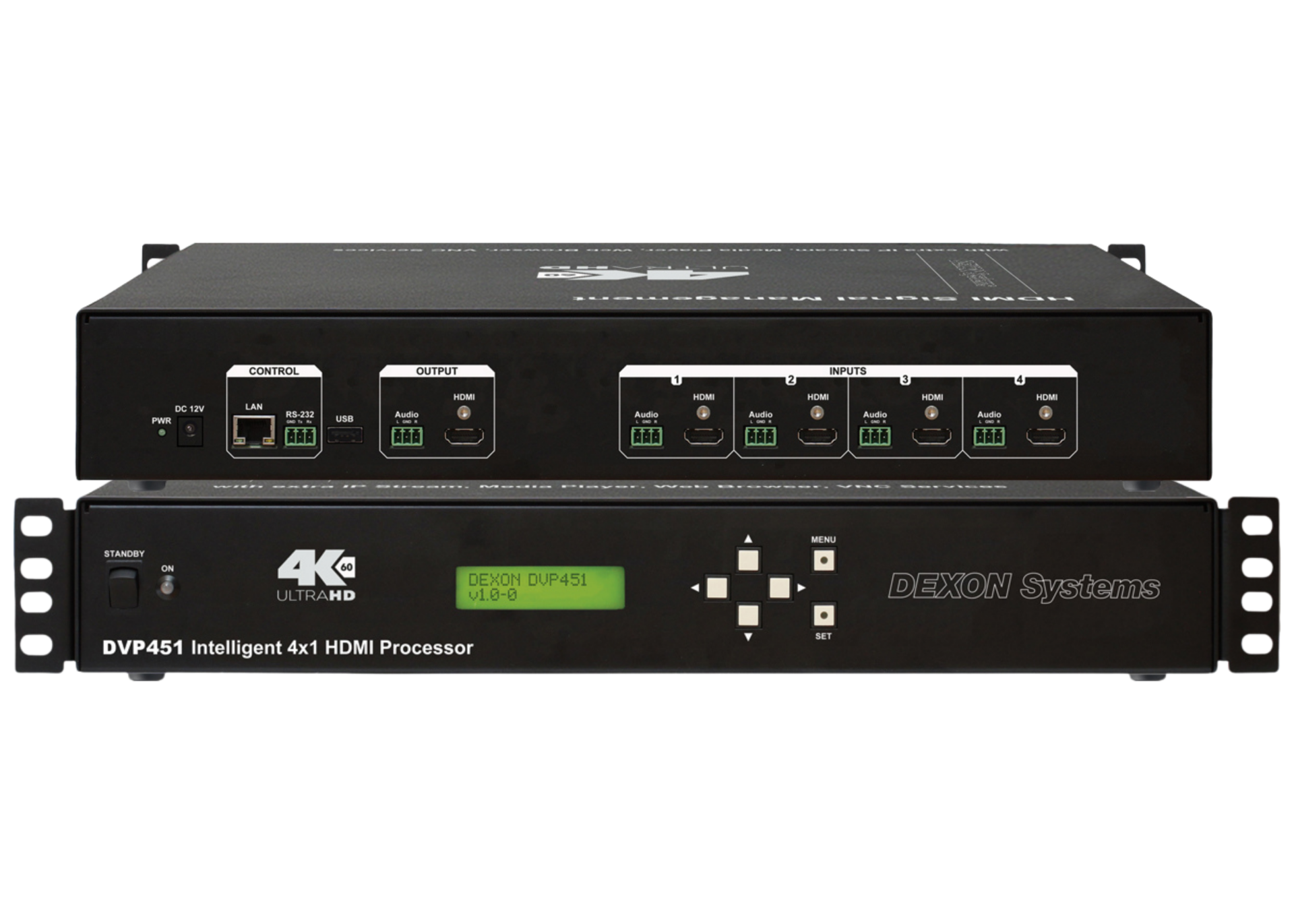
By making use of AV systems like video wall controllers, processors, and matrix switchers, you can turn a simple company conference into a cinematic experience. This is guaranteed to turn heads and keep your audience engaged throughout your presentations.
Advances in dvLED display technology, high-resolution projection, and 4K60 visualization systems now allow organizations to create more immersive and visually impactful environments. Modern AV systems help improve audience engagement across meeting rooms, control centers, retail spaces, and public presentation environments.
 |
 |
Better communication
Audio-visual systems are a great way to improve communication across your business. You can incorporate visual aids and streamline your communications, meaning that miscommunication is a thing of the past!
Take a video wall for example, you can distribute all of your key information from a single source in your office, meaning that the days of ‘hearing through the grapevine’ are over. This has an overall positive impact on productivity, company engagement and workplace relationships.
That concludes our guide to AV systems! Make sure you check out the rest of DEXON’s blog to find out more about the AV industry, including insider tips to optimizing your AV performance.
FAQ: Professional AV Systems in 2026
Q: What role does AI play in modern AV systems?
A: AI-assisted technologies are increasingly used in professional AV environments for automatic speaker tracking, background noise reduction, intelligent camera framing, and real-time transcription or captioning. These features help improve communication quality and simplify the meeting experience.
Q: Why is AV-over-IP becoming more common?
A: AV-over-IP allows audio and video signals to be distributed over standard network infrastructure instead of traditional point-to-point cabling. This approach improves scalability, simplifies system expansion, and enables more flexible signal routing across buildings, campuses, and enterprise environments.
Q: Are modern AV systems difficult to manage?
A: Modern AV platforms are designed to simplify system management through centralized dashboards and remote monitoring tools. IT and AV teams can monitor device status, manage updates, and identify technical issues proactively across multiple rooms or locations.
Q: Can professional AV systems support 4K60 and large-scale video wall environments?
A: Yes. Modern audiovisual infrastructures are designed to support high-bandwidth video formats, large-scale visualization systems, and multi-display environments. Advanced video processors and matrix switching systems help organizations manage complex visual content reliably and efficiently.