4K60 vs. 8K in Mission-Critical Environments: Why Reliability Outweighs Pixel Count in 2026
4K60 video plays at 4K resolution at 60 frames per second, ensuring a smooth, clear image that holds up in nearly any setting. 8K resolution theoretically comes with quadruple the pixels, but it isn’t quite as practical - or as reliable - for control rooms.
In this blog, we’ll explain 4K60 vs. 8K for control rooms and why 4K is the better option for now.
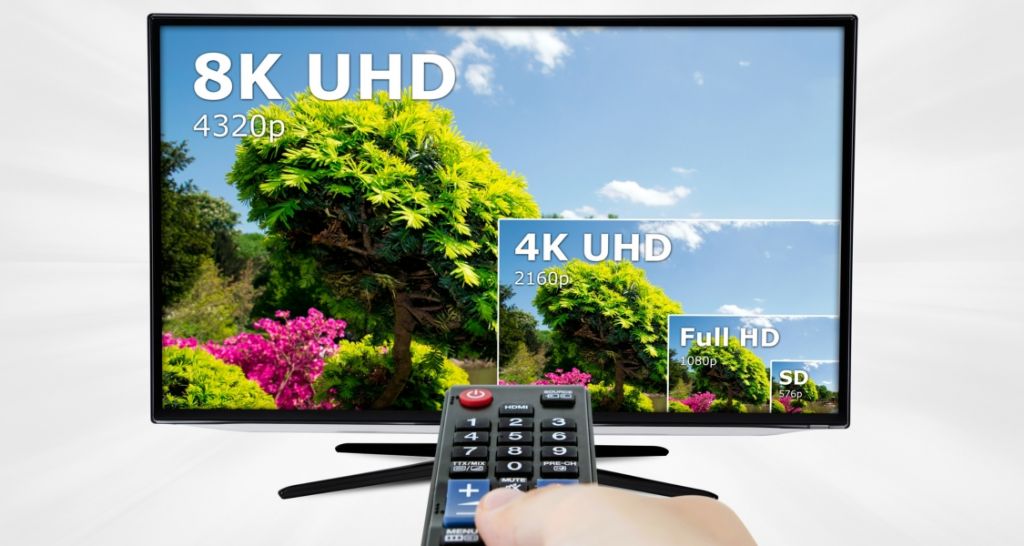
The 8K Hype vs. Control Room Reality
An 8K video is objectively higher quality than a 4K video. On paper, 8K means better visual fidelity, letting security rooms spot a crisis a lot sooner, for example. In practice, though, the difference usually isn’t visible unless you’re willing to invest in a screen over 100 inches.
Is 8K better than 4K for control rooms?
Not universally; only when you have a large-scale display and can avoid the lag that comes with such high-quality (possibly uncompressed) video.
And even if you have a display big enough to spot the difference in quality, most 8K videos have been upscaled from 4K, which can’t add extra detail. In any case, 8K requires a lot of bandwidth and processing power - any benefits could be immediately outweighed by latency.
Why 4K60 4:4:4 is Still the Professional Gold Standard
4K60 4:4:4 refers to 4K content played at 60 frames per second with no color reduction. It is, as it stands, the perfect balance between fidelity and performance. Most modern systems can load it well, and it’s still high-quality enough for security and mission-critical control rooms.
Beyond this, the main benefits of 4K60 4:4:4 include:
● Less tearing and fewer artefacts
● Smoother, clearer motion
● Fits most broadcast specifications
● Easier to spot technical glitches
● Future-proofed but still practical
All of these make it ideal for live sports, developing security crises, news broadcasting, general video editing, and other professional scenarios where clarity is key.
4:4:4 is an underdiscussed but important part of this, as it ensures every pixel has full color. The alternatives, 4:2:2 and 4:2:0, are quite common in streaming and broadcasting but can also lead to chroma key issues going unnoticed or to compression artefacts affecting a video’s quality.
Essentially, consumer-grade 8K focuses on visual fidelity and the overall viewing experience. A professional-grade 4K screen, meanwhile, is all about performance and decision making. As the 4:4:4 distinction shows, sometimes 4K actually has extra fidelity that helps performance.
The Hidden Risks of 8K in Mission-Critical Systems
As mentioned above, 8K requires significant processing power and bandwidth, even in a control room with modern infrastructure, making lag difficult to avoid. Less obvious risks include:
● Overheating devices
● Packet loss due to network strain
● More complex debugging
● Compatibility issues
● Running out of video storage space
● Extra operational costs
Control rooms, whether for security teams or broadcast studios, usually display live content. The slightest delay or issue can compromise home-viewing experiences or the company’s safety. On top of this, it’s a lot of investment for barely any noticeable extra clarity.
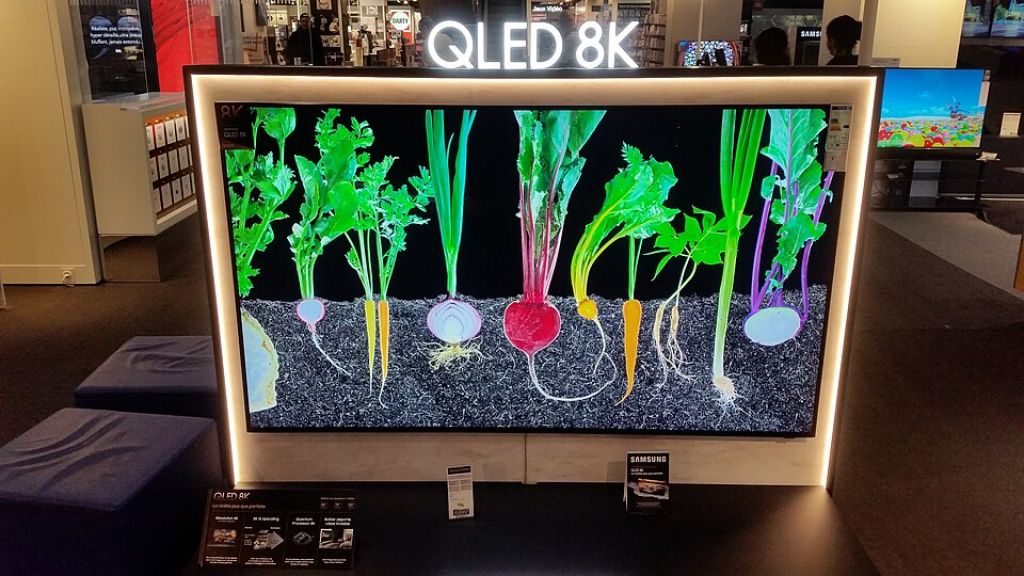
(Source: https://commons.wikimedia.org/wiki/File:Samsung_QLED_TV_8K_-_75_inches_-_2018-11-02.jpg)

Performance Comparison: Latency and Reliability
4K60 is a common benchmark for mission-critical settings, making it incredibly reliable - modern systems rarely have issues processing it. Meanwhile, 8K handles 4x the data; something has to give, and this usually manifests as compression.
Here’s a closer look at how 4K and 8K compare:
| Aspect | 4K60 | 8K |
| Bandwidth | Around 18 Gbps | Around 48+ Gbps |
| Data rate scaling | Baseline | 4x that of 4K |
| Encoding latency | Low-latency modes | Heavy compression |
| Delay | Low | Around 700 ms |
| Packet loss | Moderate risk | High risk |
| Redundancy | Straightforward | Complex and costly |
As you can see, 4K is usually the better option. It’s not perfect by any means, as there might still be slight delays or packet losses, but 8K’s risks are magnified just as much as its pixel count.
Why is latency critical in AV systems?
Because AV systems usually manage live settings, such as security rooms or broadcasting. The smallest delay here could interfere with a live newscast or even slow a security team’s response to a serious threat.
Connectivity Challenges: Cables, Converters, and Distance
How 8K actually connects to your overall AV setup is another major concern. For example, 4K60 can run over standard IP fiber and cover a distance of tens of meters. 8K, however, is much less reliable and usually requires high-capacity fiber.
As for converters, 8K setups usually need:
● Quad-link splitters
● SDI-IP gateways
● Downconverters
● 4K quadrant mapping
Each of these adds an extra failure point and enough complexity to make lag even more likely.
Returning to distance, 4K still has a shorter operational range on coaxial cables than HD, which covers greater distances with ease. 8K massively struggles with coaxials, and fibre adds extra costs and power concerns.
Balancing Future-Proofing with Operational Safety
Some companies embrace 8K to future-proof their AV setup, but that’s not the way to do it. Your business still takes on 8K's usual risks for little benefit - 4K should be more than enough to help your control room thrive for years to come.
A good middle ground is to set 4K60 as your default for daily operations while still integrating 8K behind the scenes. However, this is again only really practical if you can avoid the performance issues. At the very least, it prioritizes 4K60’s reliability.
Too many businesses view future-proofing as installing the highest-spec tech today because it’ll be more practical tomorrow. But, in truth, modular setups that reach their full potential today and tomorrow are the best way forward.
.png)
Conclusion: Stability Over Specs
Your company should only use proven technology that performs well on your infrastructure - this is almost always 4K60 over 8K. However, you still need a reputable AV provider to help you find great 4K60 solutions.
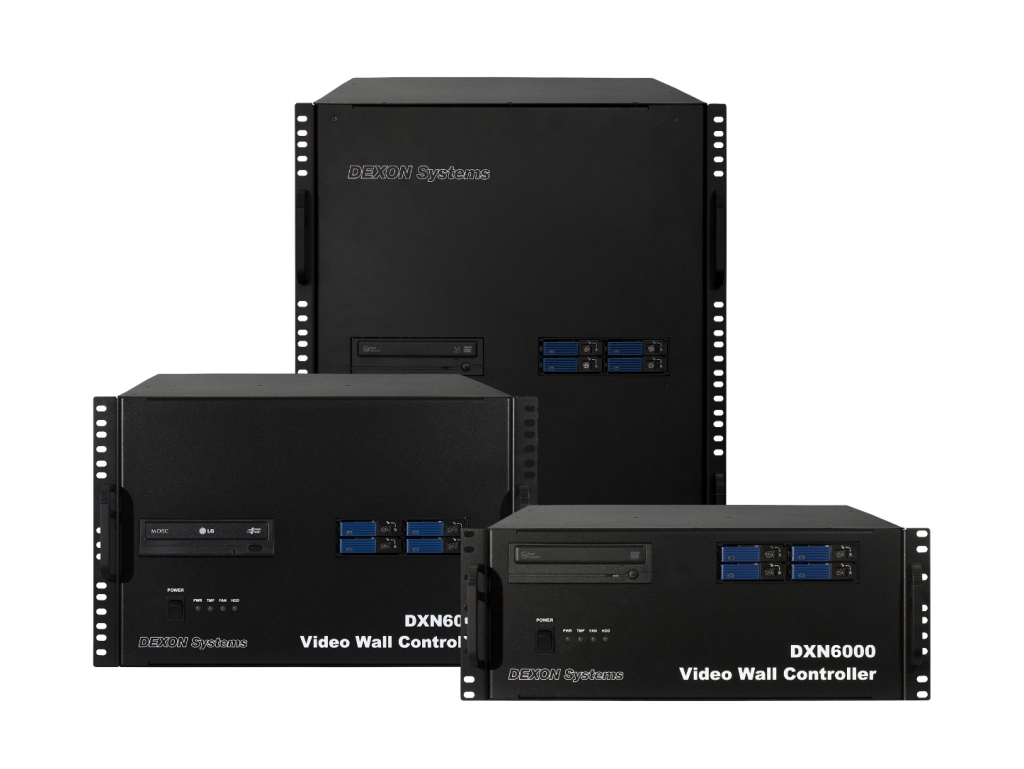
At DEXON Systems, our processors, multiviewers, matrix switchers, and more are designed for 4K60. This makes them ideal for control rooms and other live environments. Contact us today to start building the perfect AV setup.
Stay updated with the latest AV technology and innovations – join our newsletter today!