8 Features Every Professional Video Wall Controller Should Have
A professional video wall controller does much more than simply bring your screens together. In fact, the right device will be one that embraces modularity, 24/7 operation, and multiple sources, at minimum. Ideally, your controller will future-proof your whole video wall system and allow it to fit virtually any task you expect it to fulfill.
In this article, we’ll highlight eight features that any professional video wall controller will need to continue serving your setup for years.
Why Choosing the Right Video Wall Controller Matters
The specific video wall controller you choose for any long-term project may affect your system’s performance, scalability, maintenance costs, and lifespan. These devices are often a big part of mission-critical settings, meaning they should be able to operate reliably for many years, ideally without requiring costly upgrades.
But what makes the “right” controller? Here are the biggest standout features.
1. Flexible Signal Management and Multi-Source Processing
Modern video walls rarely rely on a single source. Even in a corporate meeting room, you might need video content from laptops, PCs, conference systems, and more. HDMI won’t always give you everything you need, especially as USB-C grows in popularity.
Professional controllers should support a range of input types, cards, and boards. Depending on your requirements, it may also need to show multiple sources simultaneously. This “multi-source video wall” should also offer dynamic source switching without interruptions.
2. High-Performance Video Processing and Low Latency Operation
Every high-end video wall should be able to deliver high-quality video content without noticeable lag. This means the controller should be able to process vast volumes of video data. Ideally, this device will support 4K, 60Hz playback, and accurate color reproduction with minimal frame loss.
A low-latency video wall controller is necessary in many professional settings. Live broadcasting and security rooms, for example, often involve making split-second decisions in response to live content.
3. Modular Architecture and Future System Expansion
Replacing or upgrading your video wall system can take a lot of time and money, unless you are ready to embrace modular design. This means you don’t have to overhaul your whole setup if or when your needs change; you could, for example, simply add new input cards.
With a modular video wall controller, you can simply extend your existing platform. Maintenance will also be a lot easier; you’ll only need to upgrade or replace individual components instead of the whole system.

.png)
4. Advanced Visualization and Flexible Layout Management
A professional video wall controller offers several visualization options, including:
- Picture-in-Picture, which shows multiple sources on one screen. This lets operators in, for example, security rooms, effortlessly manage competing live feeds.
- On-Screen Display, which overlays vital details such as titles, time, date, general alarm notifications, and other custom text, all of which are fully configurable.
- Layer management, which allows users to freely position each window and build preset layouts that can meet different operational priorities at a moment’s notice.
A control room video wall would benefit from all three, particularly if managing live updates from various sources.
5. Professional Connectivity and Integration Capabilities
Any enterprise AV system should be able to integrate seamlessly with an organization’s existing AV and IT frameworks. This includes being compatible with HDMI, SDI, DisplayPort, SDVoE, IP streams, and much more.
For example, a modern video wall controller should support video conferencing systems as well as other technologies that are inseparable from today’s corporate spaces. Open integration lets a system stay compatible with new devices and diverse operational environments.
6. Reliable 24/7 Operation for Mission-Critical Environments
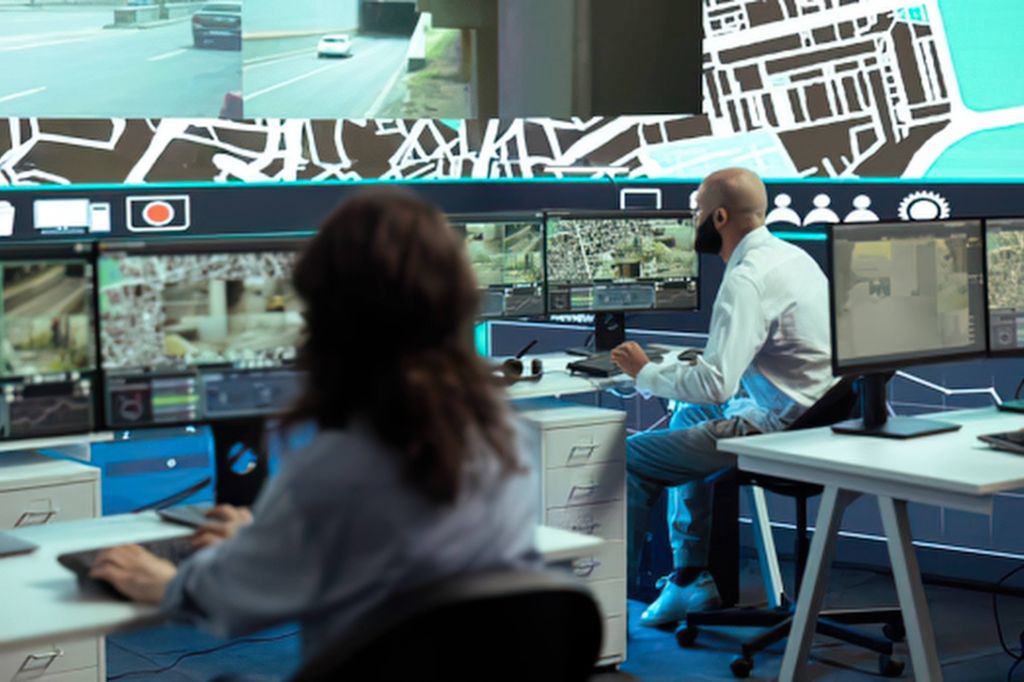
A mission-critical video wall should be able to run 24/7, necessitating industrial-grade hardware and redundant power supplies. The wall, its controller, and its processor shouldn’t overheat, nor should there be any serious risk of downtime lasting more than minutes, if that.
These walls are usually monitoring live environments. For example, a security room’s video wall must run 24/7 because a threat can emerge at any time. Downtime here could spell disaster for a company’s security.
7. Centralized Control and Remote Management
A professional video wall controller should also include centralized management tools. The right video wall management system will let you:
● Remotely configure wall layouts
● Change presets
● Seamlessly switch input sources
● Monitor the system’s health
● Receive fault notifications
● Remotely update wall firmware
This is especially valuable if you’re using multiple video walls across different facilities. A remote management setup helps you closely monitor each unit while reducing your long-term costs and boosting operational efficiency.
8. Scalability and Future-Proof System Design
Everything from your video wall processor to its controller and display should be able to keep up with changes in the industry. Modularity is again vital here; if standards shift, it might simply be a case of adding a new input card, such as if USB-C one day overtakes HDMI.
Future-proofing can take many forms, but in professional AV, you should be prepared for higher resolutions, IP-based workflows, and new integration opportunities. This also helps ensure your overall system can keep meeting your needs as your operations grow.
Selecting a Video Wall Controller That Can Grow with Your Requirements
Any business setting up a video wall needs a professional video wall controller, one that comes with all of the features outlined above and more. A modular approach is the smart way forward, particularly if you plan to develop your AV system over time.
No matter your specific AV requirements, DEXON Systems’ video wall products are designed to stand the test of time. Contact us today and we’ll help you build your professional AV system.