The Rise of LED Walls - Why Traditional Displays Are Being Replaced Even in Corporate Environments
In recent years, we have seen a sharp shift toward LED video walls, particularly in corporate AV setups. This is in part due to LED walls becoming more practical over time; LCD and projection systems also don’t fare as well in more modern AV environments. This shift is already changing corporate communications, digital signage, and more.
In this post, we’ll explain why the LED video wall is gradually replacing a more traditional setup.
The Shift Toward LED Video Walls in Corporate AV
Communication is everything in a corporate environment, and LED solutions avoid virtually all of the shortcomings of LCD and projection-based displays. More and more offices are slowly but surely adopting LED corporate display technology for this reason, among many others.
Though the shift is relatively slow at this stage, it’s picking up the pace. Whether you plan to use these video walls for virtual meetings, security stations, or just to impress visitors, it’s better that you embrace them sooner rather than later. Otherwise, competitors could get there first.
The Limitations of Traditional Display Technologies
Projectors and LCD screens used to be all a company needed for a high-quality screen, but it’s safe to say their time has passed. Today, they have a lot of limitations in the office.
For example, LCD walls:
● Usually have visible bezels, shattering the illusion of a cohesive display
● May have differences in brightness, color calibration, etc. between screens
● Have fixed panel sizes, making unconventional setups harder to realize
Meanwhile, projectors:
● Perform poorly in bright spaces, such as modern glass-heavy office rooms
● Have very limited throw distances and mounting positions, limiting room design
● Require more regular maintenance, particularly for their lamps and filters
Both approaches are also quite complex to set up and have limited scalability. While LED video walls still take some time to put together and calibrate, their ability to sidestep the above issues makes them an invaluable improvement.
What Is an LED Video Wall?
An LED video wall is, put simply, a video wall created with LED – light-emitting diode – screens. These individual displays are made up of thousands of LEDs (at least) that combine seamlessly to create a single large-scale immersive screen.
While LCD displays use backlit liquid crystal pixels, and projectors directly shine their light onto a screen, LED displays are self-emissive. This means every LED creates its own light, allowing for high brightness and much stronger contrast.
LED screens and the resulting video walls definitely cost more upfront than LCDs or projectors. However, their seamless surface, modular design, and high image fidelity are certainly worth the price – making them a mainstay in modern offices.
Why LED Video Walls are Replacing Traditional Systems
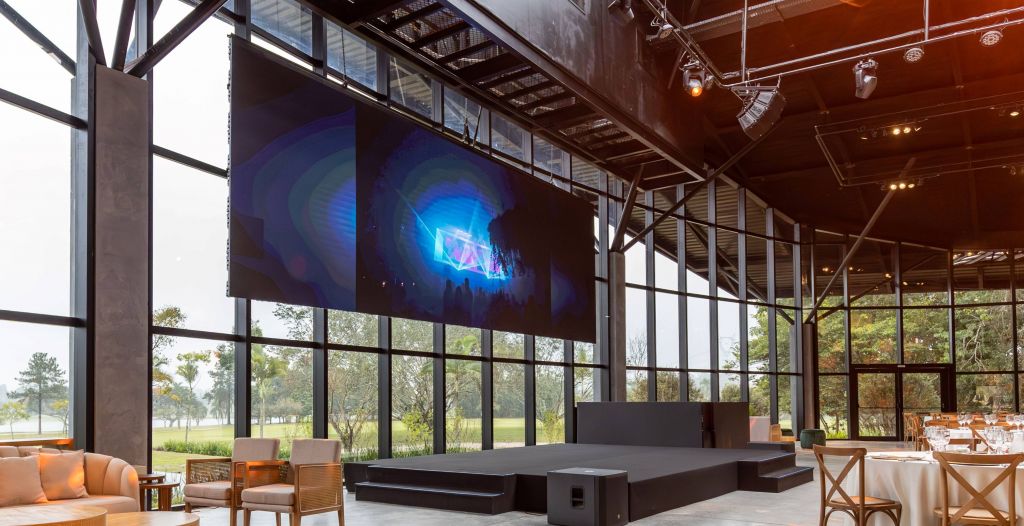
The main reason LEDs are growing as a video wall replacement is that they’re seamless. They’ll allow you to create a single stunning display that amazes guests, passersby, and even your own staff while offering the usual practical benefits.
As for those practical benefits, an LED display works in virtually any lighting conditions. You are never at the mercy of the sun peeking in through your windows – nor will you need darkness for every presentation.
Some other major benefits include:
● Deeper blacks and more vivid colors
● Scalability via simply adding new modules
● No need to worry about throw distance
● Limited maintenance requirements
● The ability to run continuously for hours
● Usually modular enough for unconventional setups
● Lower overall total cost of ownership
Essentially, these displays look better and work better while costing less. A seamless display is inherently more immersive and does a better job of showing your company’s commitment to an impressive AV tech stack.
Changing Requirements in Corporate Communications
Now more than ever, companies conduct some of their most important business via video calls, and this requires high-quality conference room display solutions. For example, a hybrid meeting might rely on LED video walls to show participants alongside graphics and presentation data.
In addition, this type of setup is much more immersive – and that alone can help people engage with presentations and meetings. LED video walls give you an opportunity to capitalize on visual storytelling, with high fidelity and no bezels coming together to make stunning displays.
“Communications” also extends to how you convey your company’s messages and brand. More and more people, from stakeholders to customers, expect a company to have the latest AV tech innovations. Even an LED wall in the reception area will show how modern your company is.
LED Video Walls in Digital Signage Ecosystems
LED video walls are also an important part of digital signage systems, both inside your company building and beyond it. The higher fidelity here is again essential, since LCDs often struggle with high brightness and strong contrasts.
The specifics of your LED digital signage depend on your business’s needs, but common uses include:
● Promoting company announcements on the office floor
● Formally recognizing high-performing employees
● Providing training and onboarding materials for new processes
● Showing live information, such as stock market trading data
● Highlighting an interactive map of the office for visitors
● Product promotional campaigns for potential customers
You can also calibrate these signs to show different information at different times of the day. For example, they may show company updates during the morning and performance dashboards in the afternoon.
A Structural Shift in Display Technology
In time, LCD and projection-based display systems will be fully phased out in favor of LED video walls. These are simply a better solution for conference rooms, digital signage, and more.
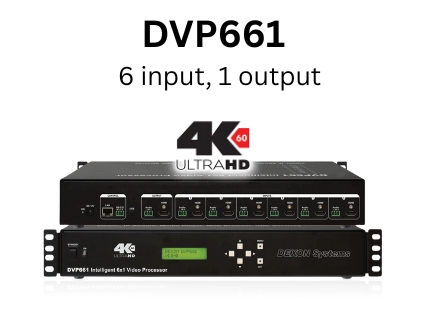
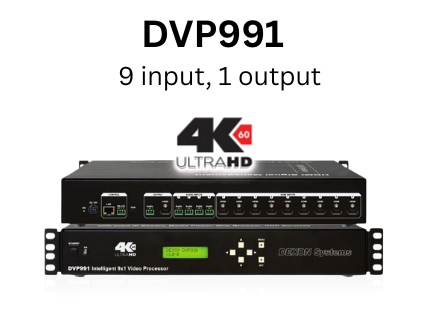
At DEXON Systems, we stock a range of 4K60 video wall controllers that go great with any LED wall setup, ensuring a cohesive display in any office. Contact us today, and we’ll make sure you get exactly what you need.