Seamless AV Integration for Modern Boardrooms
Modern boardrooms face a number of challenges in building a cohesive, advanced AV setup. In this post, we’ll look at why seamless boardroom AV integration is so important, issues that might affect your integrations, and how specific devices can make everything much simpler.

Why Seamless Integration Matters
Seamless integrations in an AV-driven corporate environment, such as a boardroom, can offer a great range of benefits. For example, in-person staff will be able to interact with remote meeting participants without lag, keeping them in the loop at all times.
Similarly, a well-integrated boardroom is simpler for everyone and eliminates a lot of friction from a meeting’s first 5-10 minutes. One-touch start functions are particularly useful, and let speakers dim the lights and start a presentation with just a single button press.
In addition, seamless integration shows that your workplace is ready for an AV-enhanced future and is willing to embrace new technologies as and when they arise.
Common Boardroom AV Setup Issues
However, the wrong approach can easily get in the way of creating a “seamless” boardroom that offers a fluid experience for everyone, in-person and remote.
- Here are some significant problems you might run into:
- Mismatched audio due to sound systems not being properly synchronized
- Feedback/echoes from using improper mics without DSP calibration
- Poor video quality due to exceeding cable ranges without HDBaseT extenders
- Cameras not being correctly integrated with video conferencing platforms
- Limited compatibility due to broad “bring your own device” policies
- No matrix switcher, meaning you can’t route signals where they need to go
- Multiple competing systems require more remotes, logins, and friction
- Inadequate network infrastructure can cause lag-heavy video calls
Smart integration can solve all these issues and more, especially if you source the right AV tools from a reputable provider. A well-connected system will put a strong focus on compatibility; plus, your boardroom will welcome hybrid meetings, which are still growing in popularity.

Combining Multiple Sources: Video, Data, and Conferencing
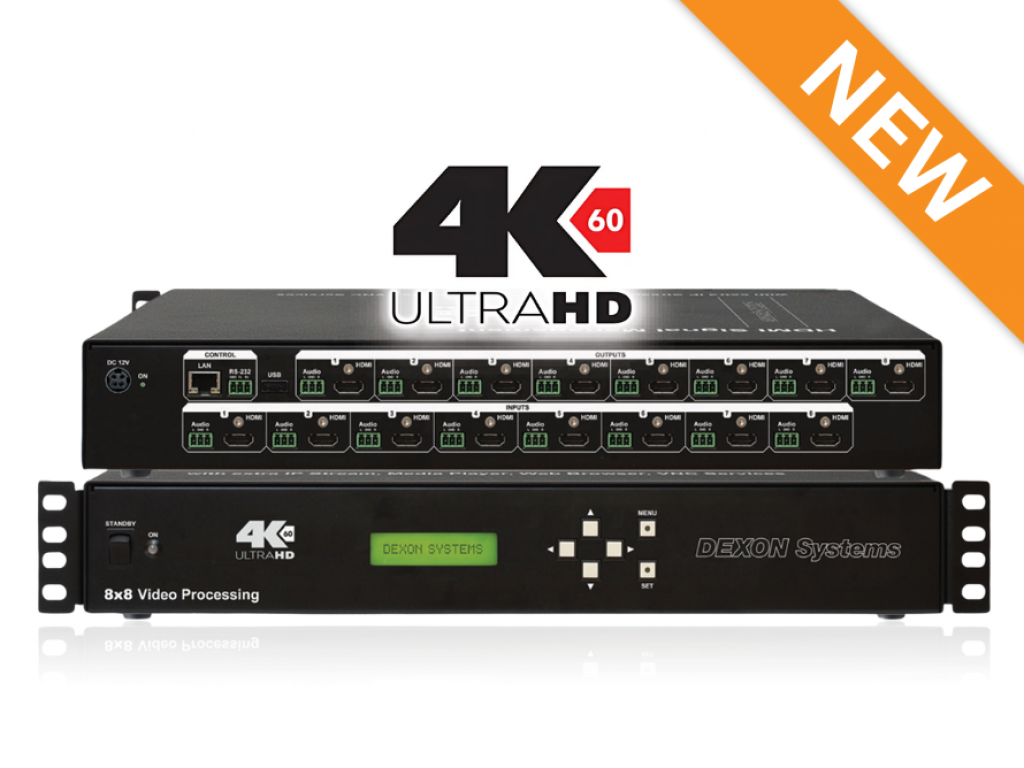
Blending different sources and data streams used to waste precious minutes in meetings. Now, a unified boardroom can use IP-over-AV and matrix switchers to route AV inputs to their relevant outputs.
For example, presenters can use a single dashboard to share a presentation from their laptop to an overhead projector while showing remote participants on a secondary screen. If they need to spotlight the remote participants, they can simply switch the feeds around.
To zero in even further, the remote participants’ conferencing platform (Zoom, Microsoft Teams, etc.) will use a conferencing codec. This can interface directly with, for example, an audio digital signal processor.
Data, however, is just as vital as audio and video, and modern boardrooms can address this via wireless presentation gateways that allow for instant sharing. Multi-viewers can also put multiple data feeds on one screen simultaneously, letting your team easily compare them.
Using Matrix Switchers, Video Processors, or Multi-Viewers for Flexibility
The specific AV tools you have at your disposal will ultimately determine just how seamless (and flexible) a boardroom is. With that in mind, here’s a closer look at the top tech solutions you can use:
Matrix Switchers
These devices move AV inputs to the relevant outputs, and you can map the destinations to suit a meeting’s needs. This means no need for cable swapping, and you can simply add more input and output devices as and when necessary.

Video Processors
These scale images to fit different displays, such as making sure a 4K video feed still plays on a 1080p laptop, albeit at a lower quality. This extends to video wall processors, which can offer the same base functionality while synchronizing multiple displays.
Multi-Viewers
These tools can show multiple feeds at once, including slides full of data, the speaker’s camera, remote participants, and anything else you want attendees to see. This means less wasted time jumping between sources and more chances for collaboration.
The Benefits of Boardroom AV
Audiovisual technology has a massive impact on modern boardrooms, whether you use just one of the above tools or all of them. Here are just some of the benefits you and your team will see:
- You’ll have a more credible, tech-savvy image to partners, clients, and investors
- Global teams will feel aligned thanks to a responsive, lag-free hybrid approach
- Superior audio and video quality create better experiences for each participant
- Modular, well-integrated AV systems can add new sources at a moment’s notice
- Consistent configurations mean several boardrooms will all perform just as well
- Intuitive interfaces allow your team to start meetings with a single button press
- Centralized management makes it easier for IT professionals to do diagnostics
In addition, there will be more general time and cost savings. For example, meetings won’t take 5-10 minutes to set up, and smart power management means your boardroom won’t contribute too much towards energy bills.
Conclusion: Smarter Collaboration Through Better AV Integration
Integrating your audiovisual tech helps you create a more cohesive boardroom, which, with help from advanced matrix switchers, makes it easy to calibrate everything to fit different meetings. If you want to learn more about how to integrate your boardroom, contact DEXON System today.