How Smart Cities Depend on Real-Time Visual Monitoring Systems
“Smart cities” are moving from science fiction to a practical urban model, with over a dozen key examples across Europe — and a few in America, too. In this blog post, we’ll examine the many benefits of real-time visual monitoring systems for smart cities.
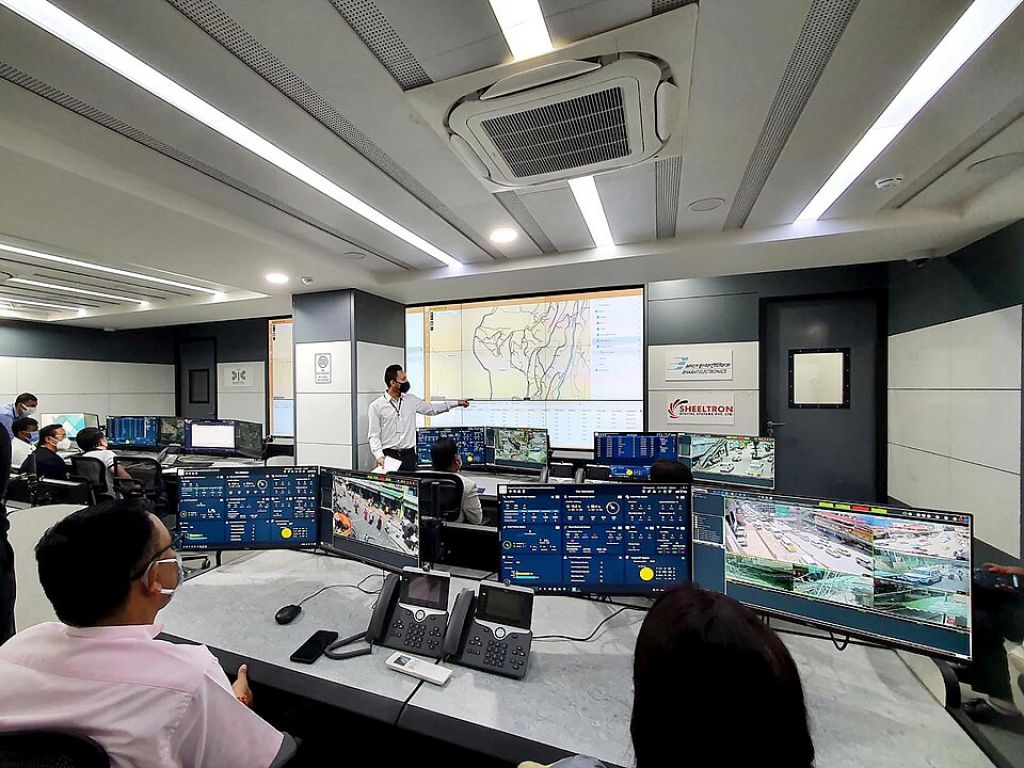
(Source: https://commons.wikimedia.org/wiki/File:ICCC_Gangtok_Smart_City.jpg)

Why Instant Visual Information is Essential
Data gives local governments unparalleled decision-making power, but only if they can visualize it. The average smart city generates massive volumes of information every hour, spanning:
- Traffic flow
- Air quality
- Weather
- Parking
- Utility usage
- Public transport
- Emergency services
- CCTV
- And much more
Visual monitoring turns all of the above into clearer, actionable dashboards. For example, traffic data can be converted into maps that intuitively highlight congestion, roadworks, and estimated disruptions. Raw data is overwhelming, but visualizations help your team spring into action.
Plus, these tools offer a real-time picture of the city. Local governments won’t be looking at how the area “usually” is; they’ll see exactly what’s currently happening. This eliminates guesswork and lets everyone make better decisions that reflect the present situation.
The Challenge of Managing Multiple Live Sources
Sometimes, however, simply visualizing this data isn’t enough. This could still result in important information being spread across multiple screens. Simply put, there’s just too much for even full teams to manage reliably; mistakes are practically inevitable.
Cognitive load plays a significant role here. For example, security teams monitoring local CCTV feeds can only watch a limited number of screens simultaneously. Even if they’re close together, scanning one screen often means missing what happens on another.
Trying to keep up creates cognitive load, which can overwhelm team members and lead to:
- Slower response times
- Missed alerts
- Other protocol mistakes
- General burnout
- Operational paralysis
Unifying Cameras, IoT Data, and Dashboards on One Display
A centralized platform lowers cognitive load and makes vital information readily accessible. This helps more than just local government security teams; emergency services will know the fastest routes, and energy workers will instantly be aware of even minor power outages. AWS IoT Core is one such platform, though there are dozens of great options available.
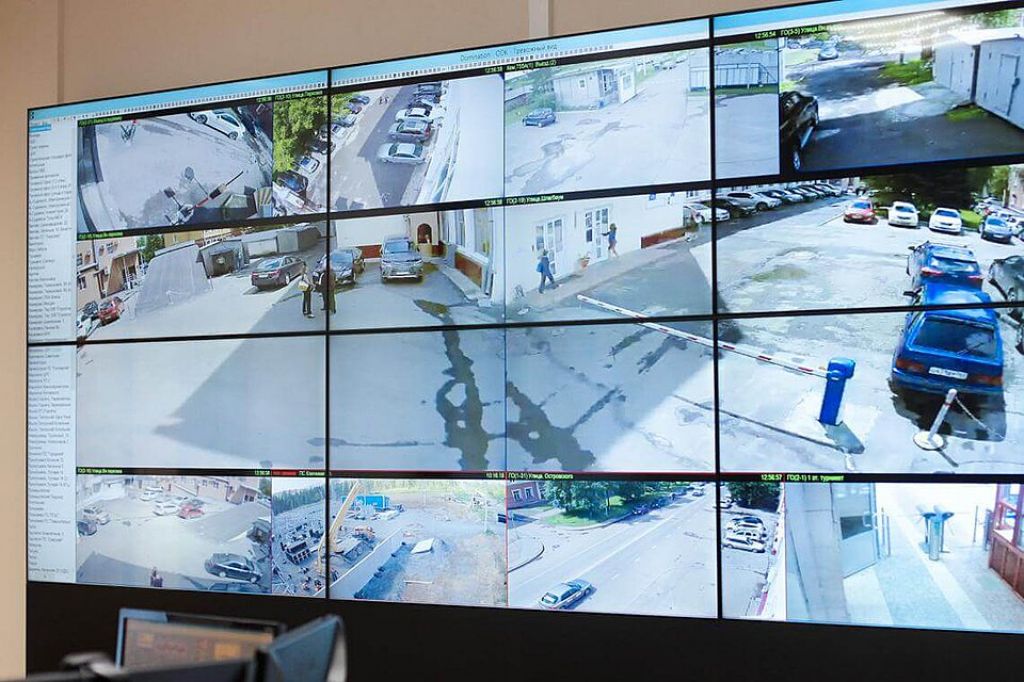
Video wall systems are another significant part of any mission-critical environment. These show all critical information on a single screen, even if it’s comprised of many individual displays. They also offer real-time switching and scaling, which is particularly helpful in live situations.
Whatever your setup, you’ll need a comprehensive dashboard that displays the following in one place:
- ● Simple control interface
- ● Live camera feeds
- ● IoT sensor readings
- ● GIS-based smart map
(Source: https://commons.wikimedia.org/wiki/File:Видеостена_CleverMic_в_действующем_мониторинговом_центре.jpg)

How Video Wall Systems Support Smart City Control Rooms
To expand on video walls and their importance, these displays are incredibly helpful for boosting data flows without overloading team members. They can be as large as you need them to be; it all depends on how much data a specific team manages.
Real-time information, all readily visible on the wall, then facilitates better decision-making. Your team can work out how to handle a traffic flow problem or even navigate a freak storm, and all at a moment’s notice.
Every department — the police, EMS, fire brigade, traffic operators, and more — uses the same data. There’s less risk of miscommunication, and different teams can then coordinate combined responses to ongoing crises, if necessary.
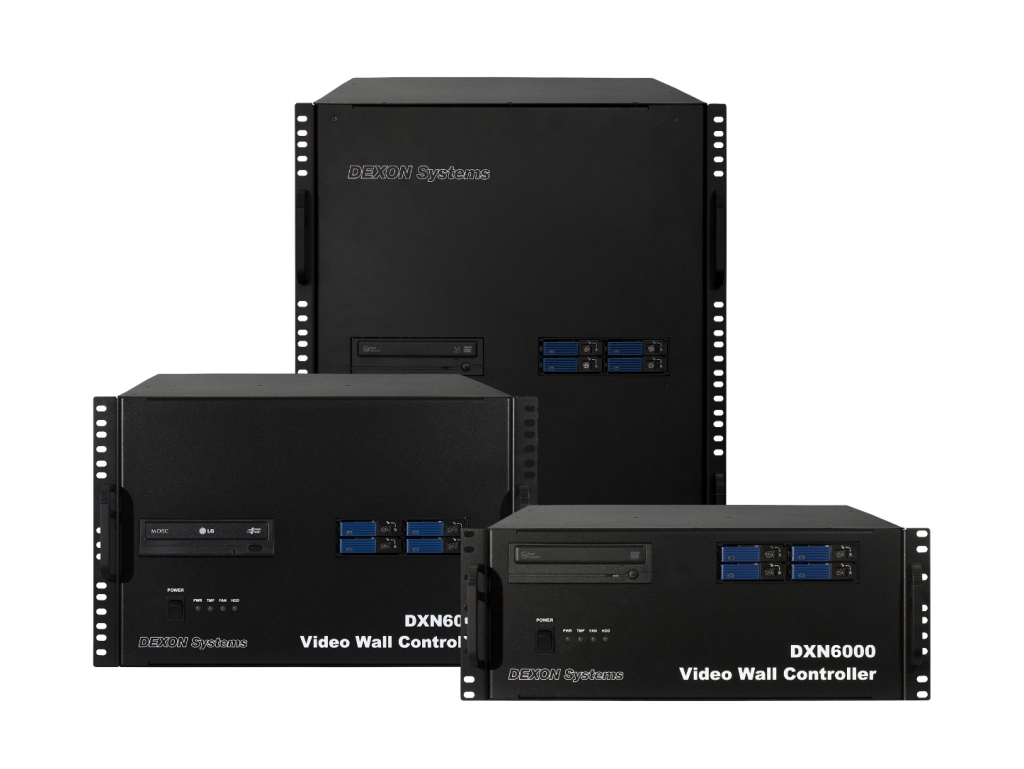
The video wall controller is a vital piece of this puzzle. As the name suggests, this determines a video wall’s actual setup and layout. If there are any issues, the information may not be live, and the wall might struggle to render multiple sources effectively.
.png)
Key Benefits for City Operations and Public Safety
These devices and systems give local government departments and teams a complete view of a smart city; this alone has plenty of benefits. Here are just some of the main ones:
Situational Awareness
Real-time visual monitoring brings IoT sensors, CCTV, and more into a single display. The clear overview here lets teams respond to threats and situations much faster — they also won’t worry about cognitive overload.
Faster Decisions
Similarly, teams can act on data faster because they know it reflects a live (and quickly evolving) situation. They’ll also have multiple data sources, giving them extra confidence to make choices that affect the whole city.
Stronger Coordination
As mentioned above, keeping data visible in this manner lets you coordinate multiple teams and departments. For example, city traffic controllers know which lanes to open up for fire trucks and ambulances in serious emergencies.
Typical Smart City Use Cases
While video walls and similar monitoring tools have applications across numerous sectors, most smart cities rely on them to operate effectively. We can already see this in today’s smart cities in the US, Europe, and beyond.
For example, Amsterdam closely monitors its traffic, both with complex sensors and a dedicated control center. Operators use the city’s CCTV network to help reroute congestion, which makes a real difference during rush hour; in recent years, they’ve even integrated AI into this process.
Speaking of AI-enhanced cameras, Dallas uses these to spot air quality issues and is starting to trial cameras that automatically detect sanitation code violations. Though AI arguably takes the “monitoring” aspect away, human teams still approve and action the system’s findings.
New York has also been experimenting with smart city technologies in recent years. In 2025, for example, their Department of Environmental Protection deployed eight sensors across Queens and the Bronx to measure air quality, temperature, humidity, and even ambient noise. This data was added to a cloud-based network, where on-site teams could read (and act upon) it.
Real-Time Visualization as a Core Smart City Technology
Visualizing data helps your smart city overcome high volumes of data and instead put it to good use, ensuring smarter — and faster — decision-making. DEXON video walls and other significant AV innovations are instrumental in this regard. Contact us today, and we’ll walk you through the solutions your local government needs.