What Is the Difference Between a Video Wall Processor and a Video Wall Controller?
Understanding the difference between a video wall processor vs. a video wall controller helps you build better audiovisual systems. Many people use these terms interchangeably - and there’s there is no universally standardized distinction between the two, creating some confusion as to what each one does.
At DEXON Systems, video processors and video wall controllers are designed to meet different requirements in professional AV installations. DEXON video processors focus on video signal processing, with features such as seamless source switching, switching effects, and front-panel button control. DEXON video wall controllers are high-performance, modular systems that can combine multiple sources and applications into one logical Windows desktop across the video wall, supporting complex visualization requirements.
The right solution depends on the specific needs of each installation, including how sources must be processed, displayed, and controlled.
Across the wider AV industry, however, the terms video wall processor and video wall controller are not used consistently, and their capabilities can overlap.
In general, we’ll explore the roles video wall processors and controllers play in large-scale AV systems, explain their typical capabilities, and discuss when each may be needed or when combining both makes sense. These distinctions can vary between manufacturers and product architectures.
What Is a Video Wall Processor?
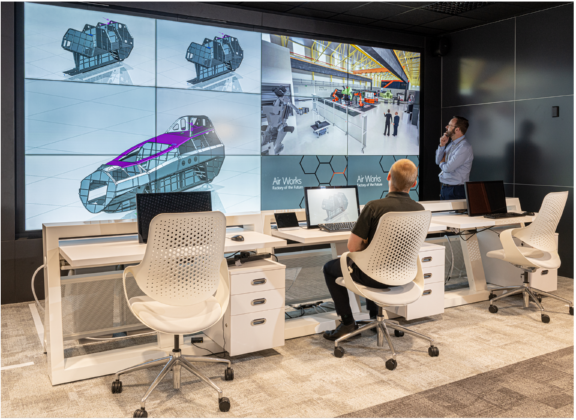
A video wall processor processes and manages video signals, specifically for a video wall. They can typically accept multiple input streams and scale, resize, or crop the output images, or even set up specific layouts and windows to fit different business needs.
Essentially, as the main video processor, this device decides which video goes where, what size it should be, and the format it should be in. The best processors boast up to 12 inputs - HDMI is the industry standard, but some take USB-C and other options too.
What Is a Video Wall Controller?
A video wall controller mainly focuses on managing the video wall system itself. This can mean defining the display arrangement, assigning a source to a specific screen, switching the content as necessary, and recalling past layouts that better serve an ongoing situation.
The video wall control system ultimately decides what is displayed at any given time. Operators can use this device to, for example, put cameras 1-6 (out of 20) across the wall. Some of these devices also come with drag-and-drop layout control to make this even easier.
Video Wall Processor vs. Video Wall Controller: Key Differences
In a sentence, a video wall processor controls what the video should look like, while a video wall controller defines how the video wall itself is set up. That said, it’s not always a clean separation when some of the devices’ key features often overlap.
|
|
Video Wall Processor |
Video Wall Controller |
|
Focus |
Processing video |
Controlling the wall |
|
Scaling |
Common; centralized |
Uncommon |
|
Layout management |
Common |
Common |
|
Input/output management |
Common |
Common |
|
Source switching |
Common |
Common |
|
Display configuration |
Sometimes |
Common |
|
Operator interface |
Sometimes |
Common |
|
Display commands |
Sometimes |
Common |
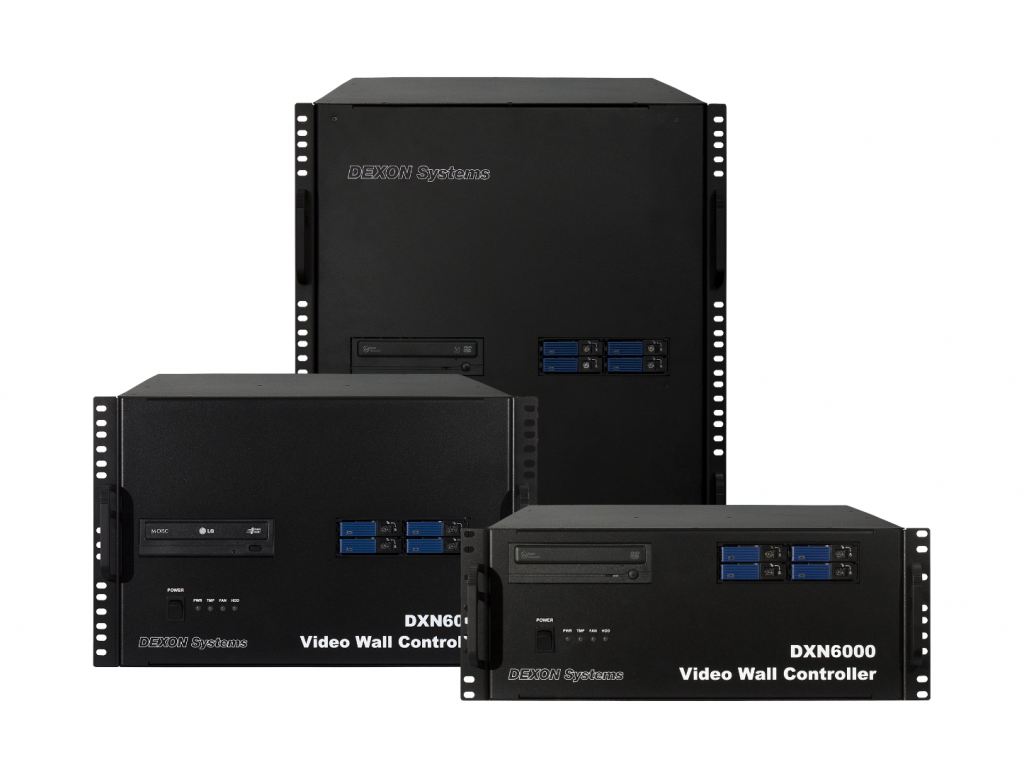

At first glance, you might think this means a video wall controller does everything the processor does and then some. Yes, some video wall systems only have one or the other. And it’s usually the controller that wins out. But they still both have a place in many AV setups.
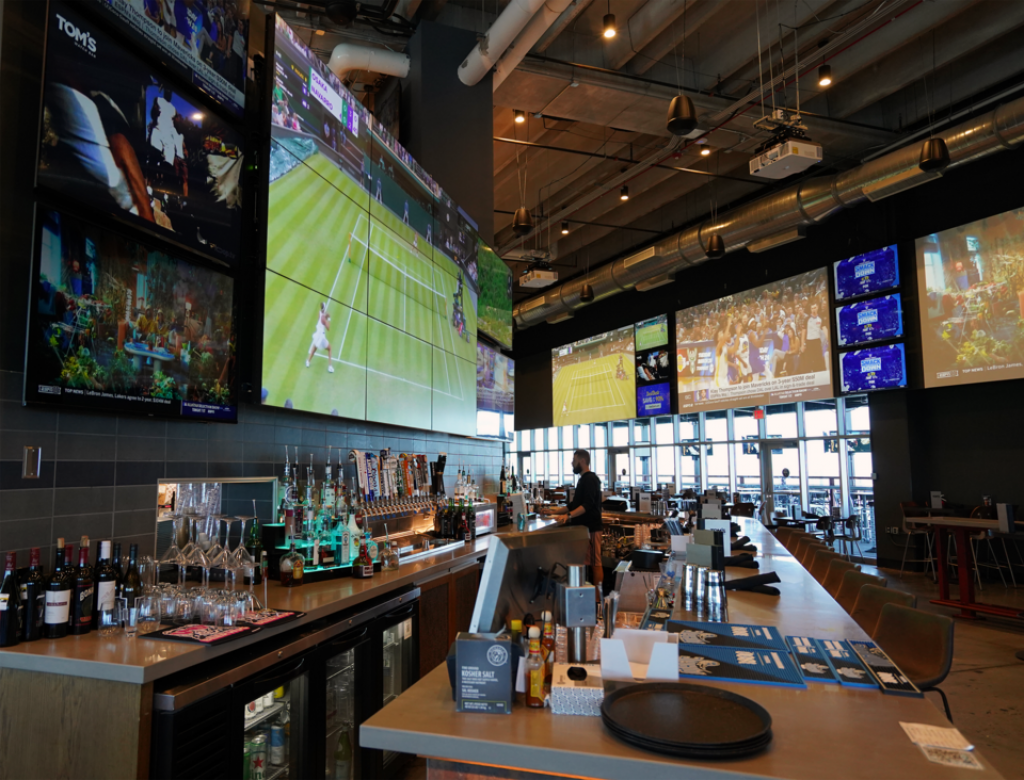
(Source: https://commons.wikimedia.org/wiki/File:Tom%27s_Watch_Bar.png)

When Do You Need a Video Wall Processor?
Video wall processing is essential whenever you have a video that needs manipulating before it reaches the output. This is especially common when you need to do more than simply display a single source per screen, such as:
● Putting multiple sources across the wall
● Conversely, putting one source on multiple screens
● Arranging differently-sized windows
● Scaling sources to match resolution requirements
● Changing a video’s aspect ratio or rotation
● Compensating for the wall’s bezels
That said, you won’t always need a video processor. For example, your video sources might go exclusively to single screens, and they may already be in the correct format.
When Do You Need a Video Wall Controller?
Nearly any professional video wall system needs a controller. Processing alone can sometimes be sufficient, but there are no shortage of situations where you might need to (or at least would benefit from) managing, coordinating, or even automating the video wall.
For example, you’ll need a video wall controller to:
● Give an operator direct control over the wall
● Coordinate several devices, including processors
● Store and recall the video wall’s presets
● Control the display’s brightness and status
● Integrate with other control systems (such as alarms)
● Monitor the overarching system from a control room
If all you need to do is scale the videos into a coherent setup, a processor might be enough. But a controller lets you treat this as a repeatable configuration.
Why Professional Video Wall Systems Often Combine Processing and Control
For many, a video wall processor vs. video wall controller debate just isn’t necessary. These two devices often work at their best alongside each other. For example, if a security room calls up a specific camera, the controller brings it up, while the processor scales it across the wall.
Plus, combining a video wall processor and controller helps simplify your AV system. You’ll need fewer components, meaning less rack equipment, fewer connections, fewer failure points, and a lower software maintenance burden.
An integrated system can also implement your preset layouts much simpler, with your processor scaling the videos while your controller arranges them. With the right devices from reputable AV providers, you’ll have a fully connected system that’s more reliable and easier to use.
How to Choose the Right Solution for Your Video Wall Project
The solutions you need depend on how you plan to use your video wall. Start by figuring out the number of displays you need and what you want to show on them (including how many sources you must display simultaneously).
You must then decide if you even need a processor or controller, and how you can integrate the two if possible. Stick to reputable AV manufacturers - these are the companies making modular, flexible, and future-proofed devices.
You’ll also need to keep future expansion in mind. Few video wall setups stay the same forever, so leave room for more screens just in case. Again, if you stick with the right AV company, you’ll have everything you need as you grow.
Final Thoughts
Stuck between a video wall processor vs. video wall controller? It’s entirely possible to integrate both - in many cases, that’s actually the best way forward. Contact DEXON Systems today and discover our impressive range of future-ready video wall controllers and processors.