Is it worth attending AV events like ISE, InfoComm, and NAB Show?
Trade shows are a key part of the modern audiovisual industry, even in the digital age. The main ones to know about are InfoComm, NAB Show, and ISE; each one has its own niche, though all are worth attending if you work with audiovisual innovations. There is no substitute for in-person experience, and even just the trends you observe can yield a return on your investment - even if online research is technically cheaper.
In this blog post, we’ll explain what makes AV industry events so important, with a focus on ISE, InfoComm, and NAB Show, and the benefits of attending for your business.
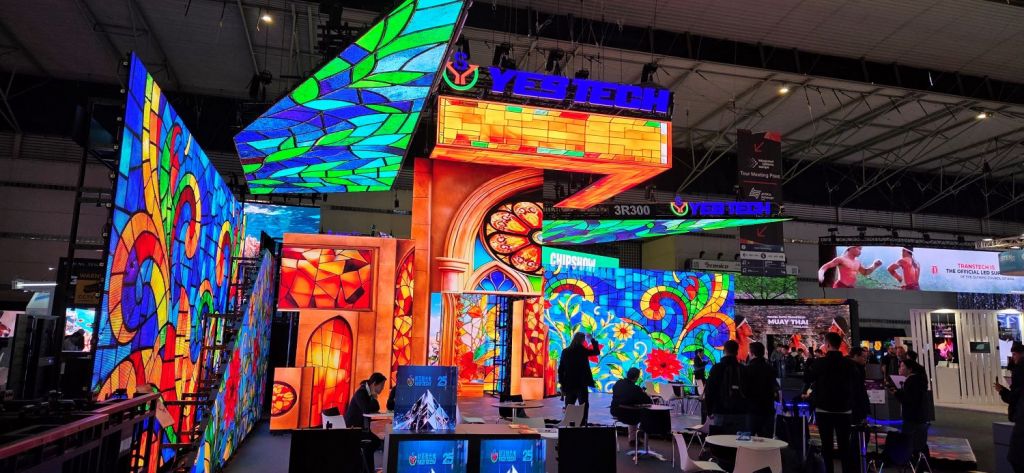
The Role of Trade Shows in the Modern AV Industry
Trade shows in any industry are an opportunity for professionals to show off their new products, and the audiovisual sector is no exception. Videos are no substitute for seeing the latest tools in person, especially when visual fidelity is hard to gauge without being there.
The average AV trade show attendees usually include:
● AV manufacturers and vendors
● System integrators
● Architects
● Live event crews
● Content creators
● And more
This means they are also massive hubs for networking and closing deals. Ultimately, they’re the best chance many AV professionals have to evaluate the latest and greatest products. Some AV trade shows take this further, even teaching you and your staff to handle these solutions.
ISE, InfoComm, and NAB Show – What Each Event Actually Represents
Every show comes with its own angle; this helps you figure out which one in your sector is most important. In the AV industry, ISE, InfoComm, and NAB Show are the main events. Here’s what makes each one special.
ISE
ISE, or Integrated Systems Europe, focuses on large-scale integrations such as smart buildings, corporate AV, and immersive experiences. Though ISE mainly targets European markets, it has become a truly global AV event.
The 2026 ISE exhibition held summits for broadcast AV and control rooms, environments where integration can be quite complex. Technologies that depend on connecting multiple systems are highly likely to appear here.
InfoComm
The main North American AV show, InfoComm prioritizes real-world AV applications. It covers a broad but practical spectrum of implementations, including education, life events, and workplace conferencing.
2026’s InfoComm trade show included multi-day monitoring courses, AV staff management, and AVIXA certification training. If you want to boost your team’s AV skills and you understand where AV fits into your workflows, this event has plenty to offer.
NAB Show
NAB Show, arranged by the US National Association of Broadcasters, focuses almost solely on media production. This includes streaming, live news, and cloud-based production pipelines, all of which still heavily rely on AV equipment.
The latest NAB Show AV technology shown at their 2026 expo included frameless headsets, 4K timelapse videos, a 25 GbE AV-over-IP ecosystem, and more. Though the AV aspect may seem secondary, there’s been a greater overlap in recent years.
The Real ROI of Attending AV Events
All large-scale AV industry events are worth attending, but the value you get usually depends on why you’ll be going. For example, manufacturers showcasing new solutions can negotiate better dealer agreements, earn new leads, and reinforce the brand’s credibility. Meanwhile, integrators can compress the discovery stage, which can otherwise take months, into a few days.
Many end users also attend these events. University tech leaders, for example, can use them to figure out which equipment is best for their institution. Alternatively, someone may attend to see which trends are set to gain dominance before their competitors figure them out.
Setting up or attending a booth isn’t a guarantee of ROI. It’s your responsibility to make the most of the time you’ll be spending at these events – pro AV networking is just as important as finding or showcasing the latest technology.

(Source: https://www.pexels.com/photo/people-sitting-at-event-22669860/)
Hands-on Experience vs. Online Research
Researching a new AV product’s specifications online simply won’t show you how it will perform in a real-world context. Some important aspects are also hard to gauge without trying a solution for yourself. For example, a video may not be enough to prove a device has no compression or chroma subsampling.
However, AV industry events still have their limits. Even with a strong demonstration, you might not be able to guarantee that a device will perform the same for your AV ecosystem. Everything in an expo is set up in ideal conditions, very different from a congested business network.
Online research still has a place in these discussions, though. For example, detailed in-the-field product reviews will be more honest about a device’s real-world performance, unaffected by the exhibition’s curated demonstrations. That said, the chance to see future AV trends early and the networking opportunities make it still worth attending AV events.
Trends You Can Only See at Trade Shows
Attending AV industry conferences shows you where the sector is likely to head over the coming years. Press releases and webinars never tell the full story – here are some insights you should see for yourself:
● How multiple industries are blending together (e.g., broadcasting and AV)
● The growth of AV-over-IP
● How the industry is responding to sustainability pushes
● Which vendors are scaling up vs. scaling down
● How production workflows (e.g., cloud-native production) are changing
● Ways in which the user experience as a whole is shifting
● General industry-wide optimism and caution
However, you can only learn about specific new AV trends (ones your competitors don’t already know) by going to an AV conference yourself.
 |
Event Attendance as a Strategic Investment
Attending AV industry events is an investment in long-term strategy planning, whichever one (or ones) you go to. You could learn all about technology that isn’t on the market yet, figure out how your team can adapt to shifting AV trends, and connect with industry professionals.
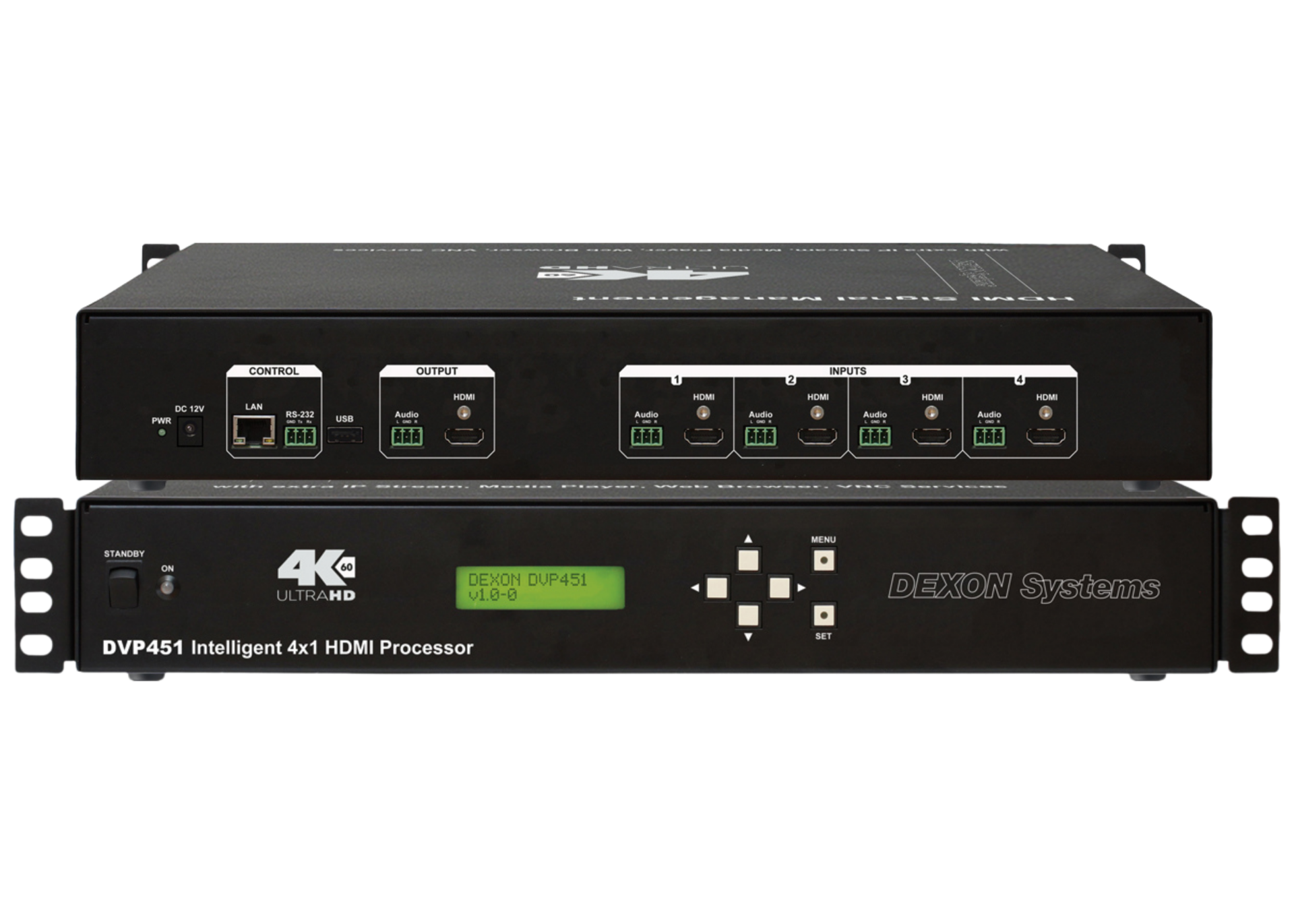
If you would like to connect with DEXON Systems and begin setting up your dream AV network, simply get in touch today.