Choosing the Right Input Card for Your Video Wall Controller
Input cards are plug-in hardware modules that give your video wall controller extra inputs, letting you stay flexible as your system grows and manages different sources. This means you need to think about the type of card (or cards) your setup needs. Staying modular is always a good way to meet the future head-on, though the specifics depend on how you use your video wall.
In this post, we’ll show you why you need the right video wall controller input card and how to choose the best one for different tasks.

Why Flexible Input Configuration Matters for Modern Video Walls
Modern video walls regularly show content from various devices and signal formats. This means your system must have a modular controller (such as one from DEXON Systems) that accepts a range of input cards. This flexibility lets you retask your video wall without a new controller.
Designing for flexible inputs also limits the need for external converters, which in turn minimizes potential signal issues. Your whole setup will also be generally more efficient and able to work at its best, ideally whilst covering every present and future use case for that video wall.
The Most Common Input Card Types
It’s best to have a video wall controller input card for each type of source your system might use as an input. Here are the main options:
HDMI
An HDMI input card is practically a necessity for any AV system – but especially meeting rooms and retail displays. HDMI is compatible with PCs, laptops, many media players, and even video game consoles, and is incredibly cost-effective while supporting high resolutions.
DisplayPort
A DisplayPort input card offers slots for DisplayPort sources, usually from engineering and CAD workstations, as well as financial trading terminals and some high-end PCs. These sources are commonly used in control rooms, engineering, design, and other applications where high-resolution and detailed computer graphics are required.
USB-C
A USB-C input card is especially useful for interfacing with modern laptops, phones, MacBooks, and other devices that use USB-C. This format is becoming highly popular in conference rooms and hybrid workspaces due to its simplicity, though not all cables offer video output.
SDVoE
An SDVoE input card lets your AV system use SDVoE, which sends video signals over Ethernet networks, typically via specialized encoders, networked AV systems, and media servers. These setups are easy to scale, but usually require 10Gb Ethernet to avoid latency.
IP Stream
Similar to SDVoE, an IP stream input card lets your video wall setup receive video content from network-based sources. This is again highly scalable and offers long-distance transmission, but is still dependent on network design.
Choosing the Right Input Card for Different Applications
As mentioned above, each input card type has specific use cases – this means you will need to consider the formats and content your video wall controller will be processing. The wrong setup will slow you down at best, or even leave you unable to accommodate the necessary inputs.
Here are a number of environments where your choice of video wall controller input card makes or breaks your system:
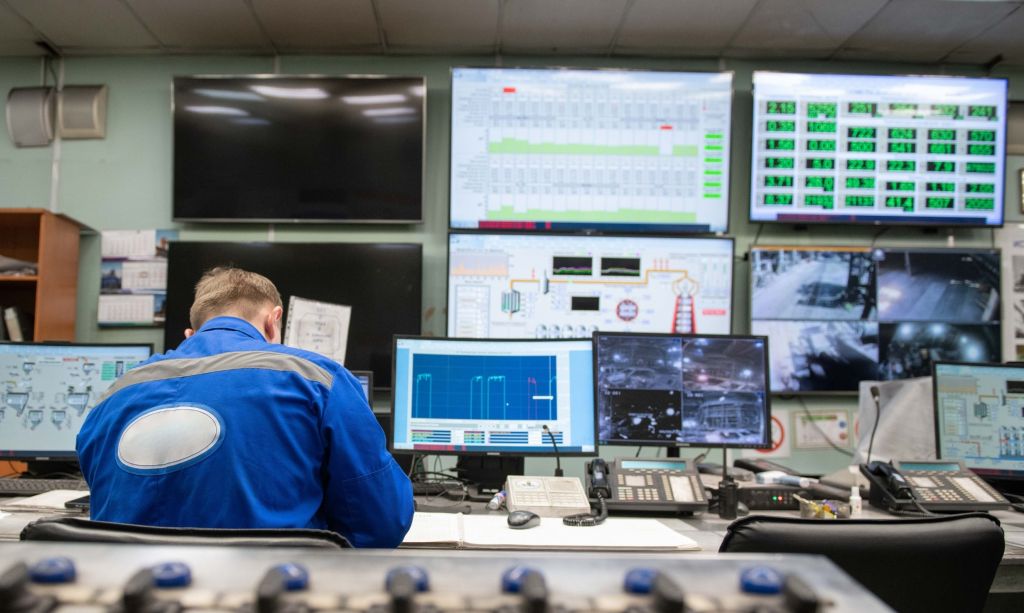
- Corporate meeting rooms primarily use HDMI and USB-C input cards. These allow for easier presentations that accommodate office-wide BYOD (Bring Your Own Device) policies, allowing employees to connect their own laptops and other devices to the video wall system.
- Digital signage relies on media players and PC-based systems. This means they often use HDMI and DisplayPort cards for both static and dynamic content.
- Control rooms often require live content in high resolution, making DisplayPort, SDVoE, and HDMI common fixtures in these settings.
- Broadcast studios use less common SDI cards. SDI is the broadcast standard for most live broadcasting settings due to its high reliability and low latency.
However, these aren’t hard rules. It’s ultimately down to which sources, inputs, and content your video wall controller will need to accommodate long-term. This could mean a corporate meeting room using an SDVoE card, for example.
Why Modular Architecture Gives You More Freedom
A modular video wall controller configuration means your devices will no longer be at the mercy of a specific controller’s limitations. You can upgrade your overall system and add new inputs to fit your video wall as you find new uses for it, without replacing anything.
DEXON Systems’ modular video wall architecture comes with HDMI, HDBaseT, and SDI inputs as standard, with options for added USB-C and DisplayPort modules. This lets you repurpose a video wall as necessary and choose the right mix of inputs for each application.
Your original video wall setup might also differ quite heavily from where it ends up several years later. Modularity means you can simply add another card if you suddenly find yourself struggling to accommodate extra HDMI inputs. In all likelihood, modular architecture will be the main video wall trend to watch.

.png)
Future Trends in Video Wall Connectivity
It’s hard to predict where else video walls will go, but USB-C is again becoming more popular by the year. Some USB-C cables even provide video, audio, and power simultaneously while being compatible with many new major laptop models.
There will also likely be a greater shift toward AV-over-IP. HDMI could easily remain the biggest interface, but SDVoE and other IP stream setups are growing, especially as offices rely more on networked devices.
Beyond these possibilities, we’re also sure to see greater adoption of 8K, High Dynamic Range, wider color gamuts, and other video quality advances.
Building a Scalable Video Wall Controller
If you need a scalable, modular video wall controller, DEXON Systems can provide you with the setup you need. Our video wall systems can handle a wide range of inputs, with or without input cards. To learn more about our modular video walls and the inputs you’ll need, contact us today.