What Is Pixel-Perfect Video Wall Processing and Why Does It Matter?
Pixel-perfect video wall processing allows your video wall to deliver the best possible image and video content in real time. In a professional setting, such as broadcasting, this is absolutely vital - similarly, any security room with pixel problems isn’t fit for purpose.
In this post, we’ll explain the core features of pixel-perfect processing, which settings benefit the most from it, and how to choose the right AV devices for a pixel-precise system.
(Source: https://pixabay.com/illustrations/woman-security-surveillance-8656655/)
What Does Pixel-Perfect Video Wall Processing Mean?
Pixel-perfect video wall processing is the precise handling of video wall outputs to ensure every pixel is where it should be and carries the correct color and brightness.
On a multi-display wall, a processor may need to divide an image across multiple screens. With the right processing, you can guarantee the final output has no unwanted cropping - or anything else that could sacrifice the full image’s detail.
Essentially, this process makes sure the video wall functions as one cohesive display, instead of a collection of separate screens. This makes it essential for corporate settings where even small visual glitches are noticeable.
Pixel-Perfect Scaling: Matching Different Sources to the Video Wall
Pixel-precise video processing, as mentioned above, is great for creating a cohesive video wall, one that really feels like a single screen. Here’s how this works:
- The processor identifies the source resolution
- It then determines the video wall’s total pixel canvas
- The processor resizes the source appropriately
- As part of this, the video’s aspect ratio is maintained
- The processor maps pixels to precise destinations
All of this happens in real-time, and the processor can account for different sources as well.
With pixel-perfect scaling, your video outputs will be perfectly proportioned and retain as much visual information as possible.
Maintaining Image Quality Across Multiple Displays
Scaling a video and mapping its pixels helps guarantee maximum video wall image quality. This is made possible by advanced scaling algorithms that determine exactly how much of an image to show on one or more screens, with literally pixel-perfect accuracy.
In addition, with the right system, your displays can be synchronized so all panels update at the same time. This means no visible timing differences or tearing to worry about, as either of these could sink any hope of a cohesive display.
Everything is also converted into the wall’s native resolution - with no unnecessary conversions or anything else that might affect the image’s final quality.
Precise Positioning and Window Sizing on Large Video Walls
Real-time video processing also helps determine where exactly an output should appear on the video wall. Processors treat large video walls as a single canvas and give each source specific “coordinates” on which pixels to occupy.
This uses an image’s width and height to determine where it should sit on the X and Y axis, and this tells your video wall processor which source pixels should be where. This is what ensures a seamless image, with no gaps, no overlapping, and nothing cropped off the top or bottom.

4K60 Processing for Detailed, Real-Time Visualization
4K60 video processing displays video at 4K resolution and 60 frames per second; this gives the content very high detail and smooth motion. Of course, this naturally makes the video wall more complex, but a pixel-perfect processor turns this into an even more stunning display.
With the right AV devices, you never have to squeeze a 4K input peg into a 1080p hole. You can make the most of this added quality and be sure your screens will keep up. Ultimately, there are just too many settings where high quality and smooth movement are non-negotiable.

(Source: https://pixabay.com/photos/military-control-room-army-9007314/)
Where Pixel-Perfect Processing Matters Most
Pixel-perfect video wall processing is a great bonus in many settings, as the high fidelity and no tearing can make even simple presentations more impressive. However, in some environments, this feature is practically a requirement.
Here are some examples of when you absolutely need pixel-perfect processing:
● Control rooms, where small text and data needs to be visible at all times
● Security rooms, where you can’t afford cropped security camera feeds
● Broadcasting, where even minor scaling issues would be visible live
● Digital signage, where marketing messages depend on a precise layout
● CAD simulations, where ultra-fine details can make or break a design
Ultimately, any setting that requires real-time video processing should use pixel-perfect scaling, 4K60 compatibility, and the other features outlined above to create the best possible image.
Without pixel-perfect processing, your team will struggle to interpret important data and provide proper visuals where it counts.
Choosing the Right Video Processing Technology for Pixel-Perfect Results
Of course, not every video wall processor offers pixel-perfect functionality. To make sure you get the right devices for your AV system, always stick with reputable manufacturers whose tools are ready for the future (i.e., 4K+ quality, ideally 4K60).
Look for processors that offer precise scaling, cropping, and positioning. The processor you pick should also prioritize synchronization - especially if you’re working with live video. Even a minor sync issue can seem unprofessional; it may even be harmful if your security system depends on total situational awareness.
Ultimately, you must choose a modern processor that proudly shows off its accurate scaling and other pixel-precise features. Don’t just gravitate towards the highest resolution, though it’s good to have 4K60 compatibility regardless.
Conclusion
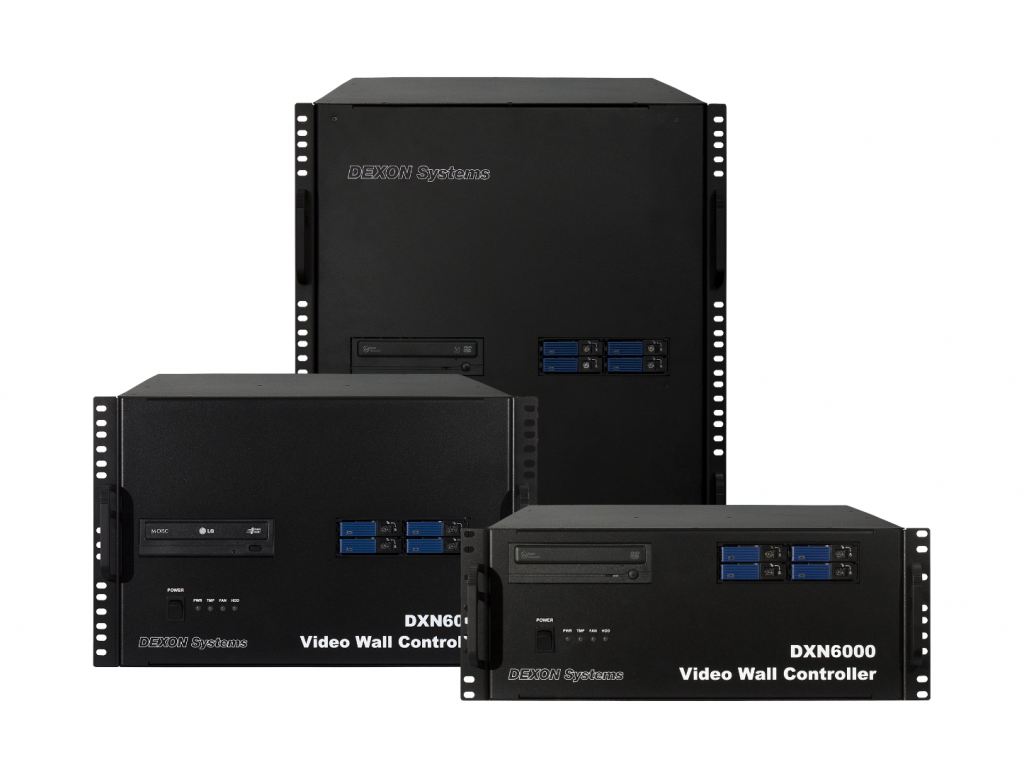
Pixel-perfect video wall processing is absolutely essential when the highest possible quality isn’t negotiable. Luckily, DEXON Systems offers video processors with ample scaling features, 4K60 quality, and more. Contact us today to make sure your video wall stays at the top of its game.